If you’ve searched for designmode24 interior design, you’ve probably noticed something strange: half a dozen articles say almost the same thing in almost the same words, and none of them tell you anything you can actually use. This guide is different. It breaks down what the term means, what’s genuinely useful about the philosophy behind it, and how to apply it room by room — with real frameworks, not vague phrases like “intentional decision-making.”
What Is Designmode24 Interior Design?
Designmode24 interior design refers to a home styling approach built around three practical priorities: scale, material honesty, and layered comfort. Rather than chasing a single aesthetic (farmhouse, industrial, minimalist), it treats a room as a system where furniture size, lighting layers, and material texture all have to work together before anything is “decorated.”
That’s the useful part. The confusing part is that the term itself is used loosely online — sometimes as a blog name, sometimes as a design philosophy, sometimes as a catch-all for décor content. This article treats it as what most people searching actually want: a workable design approach for real homes, not a brand history lesson.
Why Most Content on Designmode24 Interior Design Falls Short
Before getting into the actual framework, it’s worth naming the problem directly, because it explains why this guide is structured differently.
Most existing articles on designmode24 interior design share the same issues:
- They repeat the same three words — “simplicity, sustainability, space” — without ever explaining how to apply them
- They mention lighting, texture, and scale but never define what “good” looks like in numbers or steps
- They contain zero named products, zero pricing, and zero real project examples
- They read like they were written to rank, not to help someone actually furnish a room
That gap is exactly what this article fixes.
The Core Framework Behind
Instead of vague pillars, here’s a framework you can actually apply room by room. interior design designmode24
Scale First, Always
Before buying anything, measure the room and map furniture footprints with painter’s tape on the floor. This single step prevents the most common interior design mistake: buying a sofa or table that overwhelms — or gets lost in — the space.
A quick scale rule of thumb:
| Room Size | Sofa Length (Max) | Rug Size (Min) | Coffee Table |
|---|---|---|---|
| Small (under 150 sq ft) | 72–78 in | 5×8 ft | 36–40 in wide |
| Medium (150–250 sq ft) | 84–96 in | 8×10 ft | 44–48 in wide |
| Large (250+ sq ft) | 96–108 in (sectional) | 9×12 ft | Two smaller tables or 52+ in |
Layered Lighting, Not One Overhead Fixture
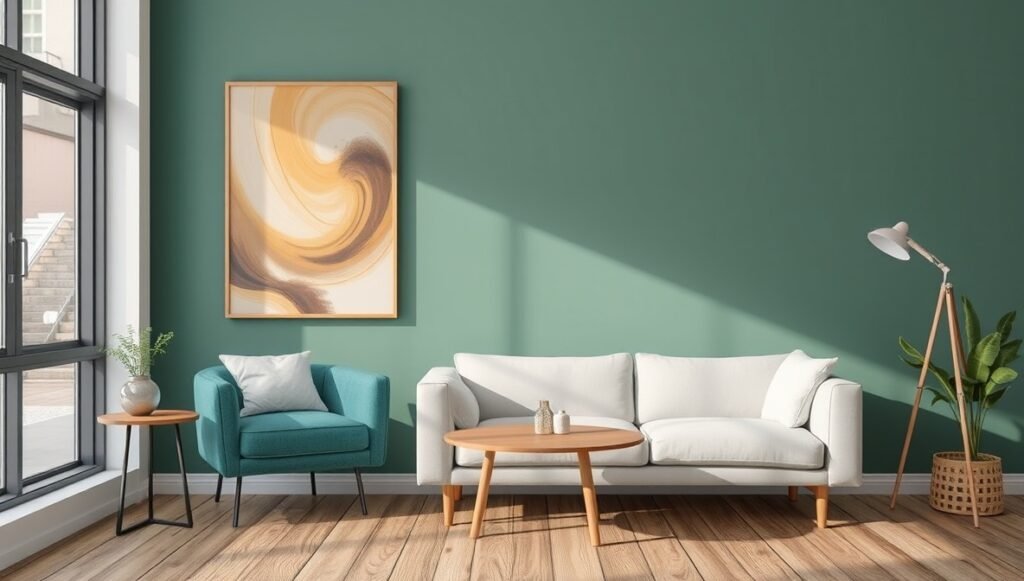
Every credible designmode24 interior design approach treats lighting as three separate layers, not one ceiling fixture:
- Ambient light — general room illumination (overhead, recessed, or a torchiere floor lamp)
- Task light — reading lamps, under-cabinet kitchen lighting, desk lamps
- Accent light — wall sconces, picture lights, LED strips behind shelving
A room using only ambient light will always feel flat, regardless of how good the furniture is.
Texture Mixing as a Deliberate Tool
This is the one genuinely strong idea that shows up across designmode24-related content, and it deserves more than a passing mention. Texture mixing means combining at least four different surface types in one room:
- A woven or nubby textile (throw, chunky-knit pillow)
- A matte or raw material (unglazed ceramic, raw wood, concrete)
- A soft pile surface (rug, velvet upholstery)
- A reflective or smooth surface (glass, polished metal, glazed ceramic)
Rooms that rely on only one or two textures — all smooth, or all soft — tend to feel either sterile or flat in photos and in person.
Material Longevity Over Fast Furniture
A genuinely useful comparison that most articles skip entirely:
| Material Type | Typical Lifespan | Common Signs of Wear |
|---|---|---|
| Solid wood frame + natural upholstery | 15–20 years | Minor fading, patina (often desirable) |
| High-density foam cushions | 10–15 years | Gradual softening, not collapse |
| Fast-furniture composite frames | 18–30 months | Sagging, joint failure, fabric pilling |
| Particleboard veneer pieces | 3–5 years | Swelling, chipping, delamination |
If you’re applying designmode24 interior design principles on a budget, the smarter move is fewer, better pieces — not more, cheaper ones.
Room-by-Room Application
This is the section most competing articles skip entirely, and it’s where the framework actually becomes useful.
Living Room
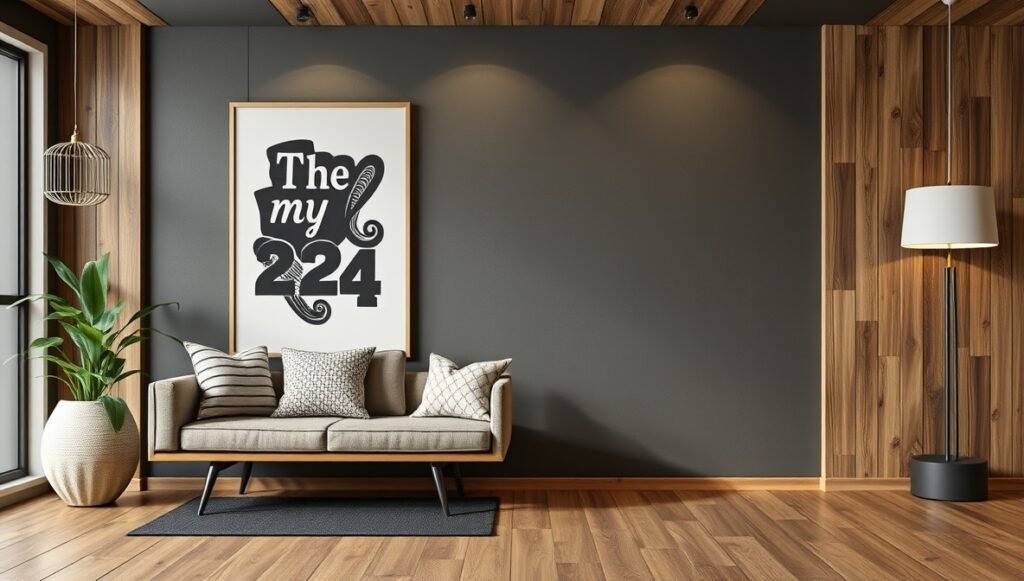
- Anchor the room around one focal piece (sofa or fireplace), not multiple competing points
- Keep walking paths at least 30 inches wide between furniture
- Layer in two accent colors max, repeated in at least three places (pillow, art, small object)
Bedroom
- Nightstands should be within arm’s reach from a seated position on the bed — roughly 24–28 inches from mattress edge
- Use warm-toned bulbs (2700K–3000K) for all bedroom lighting; cool white light disrupts the relaxed feel a bedroom needs
- Layer bedding in at least three textures: a woven blanket, a smooth duvet, and a textured throw pillow
Kitchen
- Under-cabinet task lighting is non-negotiable for a functional kitchen — ambient overhead light alone creates shadows on countertops
- Open shelving works only if you’re willing to style it weekly; otherwise, closed cabinetry keeps the space calmer
- Mix at least one natural material (wood cutting board, rattan basket) with hard surfaces to avoid a clinical feel
Small Apartments
- Multi-functional furniture (storage ottomans, extendable tables) matters more here than anywhere else
- Vertical storage (tall bookcases, wall-mounted shelving) frees up floor space without shrinking the room visually
- Light, reflective wall colors combined with a single large mirror can make a small room read 20–30% larger in photos and in person
2026 Trends Worth Actually Understanding
Several trend claims show up across designmode24-related content. Here’s what’s actually behind them.
Comfort-first seating. The slim-leg, low-profile sofa trend of the last decade is giving way to deeper, rounder seating — cushions you sink into rather than perch on. This isn’t just aesthetic; it reflects a broader shift toward homes as recovery spaces rather than showpieces.
Handcraft revival. Hand-thrown ceramics, limewash walls, and visibly hand-stitched textiles are replacing the ultra-polished, mass-manufactured look. The appeal is visible imperfection — a counter-reaction to a decade of flawless, catalog-style interiors.
Vintage framing as an accent, not a theme. A single ornate or aged frame in an otherwise contemporary room adds contrast without pulling the whole space into a “vintage” category. Two or three scattered through a home read as curated; a room full of them reads as costume.
Sustainability as a baseline, not a selling point. Durable materials, repairable furniture, and energy-efficient lighting are increasingly treated as default expectations rather than premium add-ons.
How Designmode24 Interior Design Differs From Other Named Styles
A comparison table makes this clearer than another paragraph of description would:
| Style | Core Focus | Color Approach | Furniture Profile |
|---|---|---|---|
| Designmode24 interior design | Scale, texture layering, longevity | Neutral base + 1–2 accent colors | Deep, comfort-forward |
| Minimalism | Reduction, negative space | Monochrome, restrained | Low-profile, sparse |
| Japandi | Function + quiet aesthetics | Muted earth tones | Low, natural wood |
| Coastal | Light, airy, relaxed | Whites, blues, sandy neutrals | Slipcovered, casual |
| Mid-century modern | Clean geometry, retro forms | Warm woods, bold accents | Tapered legs, angular |
A Practical Starting Checklist
If you’re applying designmode24 interior design ideas to a real project this month, start here:
- Measure the room and tape out furniture footprints before buying anything
- Identify your one focal piece per room
- Plan three lighting layers, not one
- Choose four texture types minimum for the main living space
- Prioritize two or three durable pieces over five disposable ones
- Limit your accent color palette to two, repeated at least three times
- Add one vintage or handcrafted object per room for contrast
Frequently Asked Questions
What does designmode24 interior design actually mean?
It refers to a practical home styling approach centered on furniture scale, layered lighting, texture mixing, and material longevity, rather than one fixed aesthetic.
Is designmode24 interior design a specific company or a general style?
The term is used inconsistently online — sometimes as a content brand, sometimes as a general design philosophy. This guide treats it as a practical approach anyone can apply, regardless of source.
How much does it cost to redesign a room using this approach?
Costs vary widely, but prioritizing fewer, higher-quality pieces (solid wood, natural upholstery) over disposable fast furniture typically costs more upfront but lasts 5–10x longer.
Can designmode24 interior design work in a small apartment?
Yes — multi-functional furniture, vertical storage, and light reflective surfaces are core to applying this approach in compact spaces.
What’s the biggest mistake people make when applying this approach?
Skipping the scale step. Buying furniture without measuring the room and mapping footprints is the single most common cause of a space feeling either cramped or empty.
Does designmode24 interior design require hiring a professional?
No. The framework — scale mapping, three-layer lighting, texture mixing, and durable material choices — can be applied by homeowners without professional help, though a designer can speed up sourcing decisions.
How is designmode24 interior design different from minimalism?
Minimalism prioritizes reduction and negative space; designmode24 interior design allows more texture and warmth, focusing on comfort and material richness rather than restraint.
Leave a Reply